
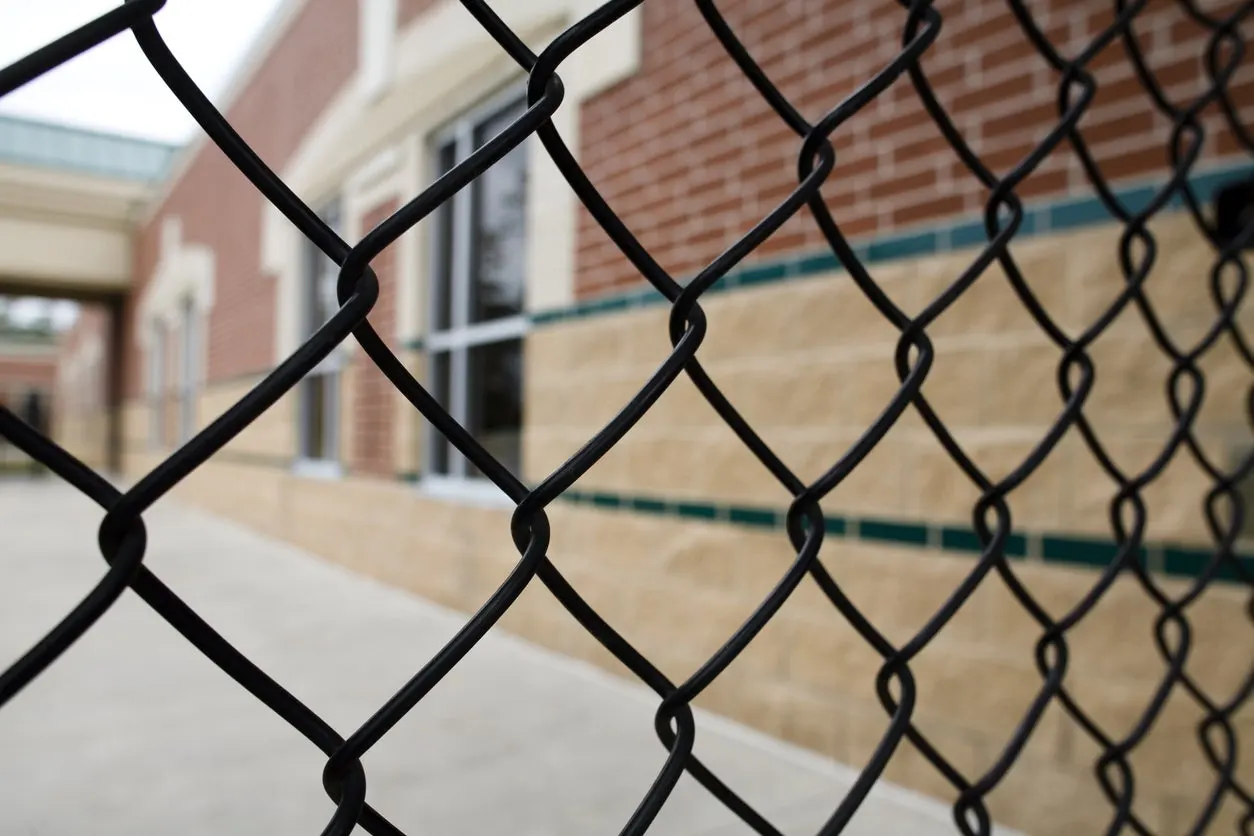
Maintaining your security fencing is crucial to ensure it continues to serve its intended purpose effectively. Security fences are a significant investment in the protection and boundary definition of your property, whether it’s residential, commercial, or industrial. Proper maintenance not only extends the lifespan of your fence but also ensures it remains a strong deterrent against unauthorised access. In this comprehensive guide, we’ll walk you through essential maintenance tips to keep your security fencing in top condition, ensuring your investment remains sound and your property secure.
Regular Inspections: The First Step in Preventing Problems
The foundation of good fence maintenance is regular inspections. At least twice a year, walk the perimeter of your fencing to check for any signs of wear or damage. Look for rust spots, loose or missing hardware, and any areas where the fence may have been compromised. Early detection of these issues can prevent more significant problems down the line.
Cleaning Your Fence: More Than Just Aesthetics
Cleaning your security fencing may seem like a purely cosmetic task, but it’s an essential part of maintenance. Dirt, grime, and especially rust can significantly shorten the lifespan of your fence. For metal fences, use a mild soap and water solution to clean off any accumulated dirt. For more stubborn areas, a soft brush can help. Remember to rinse the fence thoroughly afterwards. If rust is present, it may be necessary to use a rust remover or converter, followed by touch-up paint to prevent further corrosion.
Addressing Rust: The Enemy of Metal Fences
Rust is the bane of metal security fencing. It not only undermines the aesthetic appeal of your fence but can also significantly weaken its structural integrity. After cleaning your fence, carefully inspect it for rust. Small rust spots can often be treated with a rust converter and some touch-up paint. For larger areas, sanding may be required before applying rust treatments. Regularly checking for and addressing rust is crucial in extending the life of your metal fence.
Tightening and Replacing Hardware: Keeping Things Secure
Loose hardware can compromise the security and stability of your fence. During your inspections, check all fasteners, bolts, and other hardware. Tighten anything that has become loose and replace any hardware that is damaged or missing. This not only ensures the structural integrity of your fence but also helps prevent potential security breaches.
Vegetation Control: Preventing Hidden Dangers
Overgrown vegetation can hide fence damage, provide cover for intruders, and even contribute to rust and decay in wood and metal fences. Keep the area around your security fencing clear of dense vegetation. Regular trimming of bushes and trees near the fence line is essential. This not only makes it easier to inspect the fence but also removes potential hiding spots for would-be intruders.
Gate Maintenance: The Critical Point of Entry
Gates are often the most used part of a fence and, consequently, the most prone to wear and damage. Regularly check gate hinges, locks, and opening mechanisms to ensure they are functioning correctly. Lubricate moving parts as needed to keep them operating smoothly. A well-maintained gate ensures that your security fencing’s entry point remains secure and functional.
Professional Assessments: When to Call in the Experts
While regular inspections and maintenance can be done by property owners, there are times when it’s best to call in professional fencing contractors. If you notice significant damage, structural issues, or if your fence requires major repairs, professional services ensure that the work is done correctly. Experts in security fencing can also provide advice on upgrades or enhancements to improve your fence’s effectiveness.
Upgrades and Enhancements: Keeping Your Fence Up-to-Date
Security needs can evolve over time, and what was once adequate may no longer meet your current requirements. Consider consulting with security fencing professionals about potential upgrades or enhancements to your fence. This might include adding security features like anti-climb spikes, surveillance cameras, or even upgrading to a more robust fencing material or design.
Conclusion: The Importance of Ongoing Maintenance
Maintaining your security fencing is not just about preserving its appearance; it’s about ensuring it continues to provide the level of security and boundary control you need. By adhering to these maintenance tips, you can extend the lifespan of your fence, prevent potential security breaches, and ensure your property remains well-protected. Remember, a well-maintained fence is a strong deterrent to intruders and a key component of your overall security strategy.
For more information on security fencing and how Care Fencing can help you maintain, repair, or upgrade your security fencing, visit our website. Our team of experts is dedicated to providing you with the best solutions to meet your security needs and ensure your peace of mind.

