
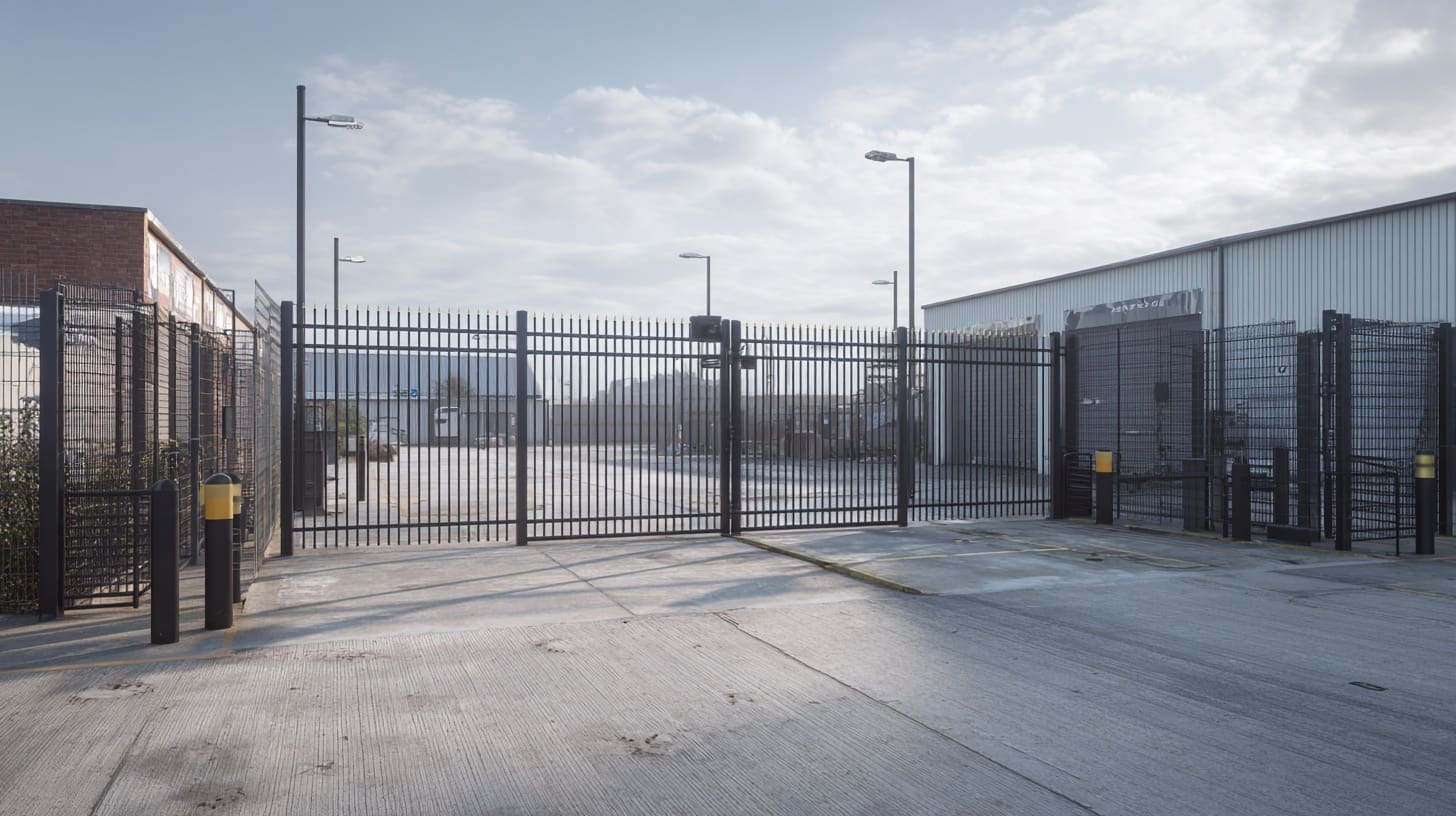
If you manage a yard, shop, school, or small industrial unit in Bradford, your boundary must do three things well. It should control access, deter casual entry, and keep daily operations smooth. Getting that balance right saves you time and money. If you are at the research stage and searching fencing near me you will see plenty of options. The key is to match the system to the risk on each edge of your site and install it with care. As local fencing contractors, we deliver secure lines that look tidy and work hard in the real Bradford weather.
Start with a simple risk picture
Before you pick a fence, map how your site works. Who uses each gate and when. Where vehicles turn. Where stock sits. Which edges face public streets and which face private land. This short review tells you where to spend and where to keep it simple. A quiet side boundary may need a basic mesh. A busy frontage may want railings that look smart and resist knocks. Back of house with higher risk may call for heavier mesh. You do not need a thick report. You need a clear view of what happens on the ground.
Heights that actually deter entry
Most commercial side and rear lines sit between 2.0 m and 2.4 m because that height reduces climbing while keeping costs fair. Frontages near streets often use lower railings to keep sight lines and a smart look. Schools and sports areas tend to choose 2.4 m mesh for visibility and control. These figures are not random. They reflect what works day in, day out for UK sites. Choose the lower height for low risk edges. Use the higher height where you want more delay and a clearer signal to keep out.
Materials that fit each zone
Pick systems by use, not by fashion. Mesh panels give strength and visibility. They work well near CCTV and lighting because you keep views clear. Powder-coated vertical bar railings suit entrances and shopfronts because they look good and take knocks. Closeboard or composite screens hide bins and plant. Palisade still has a role on certain high risk back lines, though many managers prefer stronger mesh because it blends better. Mixed sites often need a blend of two or three systems. That is normal. The key is to switch cleanly at corners with neat posts and level lines.
Posts and foundations that hold in Bradford ground
Most fencing failures start at the base. Bradford has clay and made ground in places. Wet winters soften holes. Dry spells shrink the soil. To beat that, we set posts deep and plumb with quality concrete. For 2.0 m to 2.4 m lines we start around 600 mm depth and go deeper on long, exposed runs or corners that take more wind and gate loads. We upsize gate and corner posts. We bell the base of each hole for better hold and keep a tidy collar above ground so water sheds away from steel. These small details pay for themselves for years.
Gates decide daily safety
A fence can be perfect and still fail if the gate is poor. We size gates to the traffic, not the brochure. Where vans and small lorries come and go all day, a sliding gate removes swing conflicts and keeps openings clear. On quieter sites a double leaf swing gate is fine if the apron is flat and clear. For pedestrian gates, self closing hardware and reliable latches reduce tailgating and propping open. Manual release must be simple so staff can open the gate in a power cut. We commission every gate with real tests. Staff use the buttons. We check stops. We check photo beams and safety edges. The gate must behave the same on a wet morning as it did on handover. If you need upgrades later, our gate installation team can add automation or swap hardware without tearing up the whole entrance.
Access control people will actually use
Access works best when it is simple. Keypads and fobs in robust housings, mounted at the right height, beat complex systems that confuse visitors. Clear signs at eye level reduce calls to reception. Ground markings show drivers where to stop. Lighting at the reader helps during winter starts and late finishes. Good access control makes the right behaviour easy and the wrong behaviour awkward. That is the quiet win you want.
Keep cameras and lights clear
CCTV, lighting, and fencing must work together. Mesh beside cameras keeps views open. Railings at frontages avoid blind spots. Solid screens are fine for bins and plant but can block views if used the wrong way. We map camera cones and light spread so the new line does not hide the areas you care about. It sounds basic – and it is. The right drawing at the start saves headaches later.
Protect the line from vehicles
Many business sites have bays that face boundaries. Bumpers and wheels hit fences more than intruders do. Low railings with a top rail resist small knocks at car parks. Wheel stops keep bumpers off panels. Bollards at gate posts take the hit when a driver turns in early. Protect posts at corners and on tight turns. A single bollard at the right standoff often prevents a year of small repairs.
When railings beat mesh – and when they don’t
Railings shine at main entrances, schools, offices, and showrooms. They are strong, tidy, and signal quality. Mesh beats railings for side and rear lines where cameras need a clear view and where you want fewer footholds. On sports sites mesh is the default because it is safe near play. Use each where it works best. That mix keeps costs honest and the site looking right for its use.
Screening bins, plant, and storage
You can hide clutter without hurting security. Closeboard or composite screens make tidy bin stores and plant rooms. Leave airflow gaps where equipment needs cooling. Keep screens short and avoid blocking sight lines near cameras. Use concrete posts and gravel boards with timber screens so the base stays dry. This keeps maintenance light and stops the screen becoming a hiding place.
Routine repairs that stop bigger failures
A rattling panel or a dragging gate is not just annoying. It is a fault upstream. A loose clamp means a post is moving. A dragging gate means the hinge post has rotated or the closer is tired. Book fence repair near me before the next storm turns a small fix into a large job. We often save full lines by swapping a few posts, tightening tamper resistant fixings, and re-hanging gates. Repairs are part of good fencing services, not a sign of failure.
One clean specification that just works
Here is a simple blend we use on many Bradford sites.
-
Frontage: Powder-coated vertical bar railings to pedestrian height, matching pedestrian gate with self closer and secure latch.
-
Sides and rear: 2.0 m to 2.4 m welded mesh panels on galvanised and coated posts, tamper resistant fixings, heavier posts at corners.
-
Vehicle gate: Sliding or double leaf steel gate sized to vehicles, manual release, safety edges or photo beams, bollards to protect posts.
-
Screens: Short runs of closeboard or composite around bins or plant with airflow gaps and concrete bases.
This mix keeps the front smart, the sides secure, and maintenance simple.
Numbers that help with planning and budgets
Most UK commercial lines fall between 2.0 m and 2.4 m because that height deters casual entry without creating an oppressive wall. Typical post centres sit at the panel width, often around 3.0 m for mesh systems. Typical post depth starts near 600 mm for those heights, with more depth at corners and long straight runs to handle wind load. Powder-coated steel with a galvanised base layer resists corrosion for many years with simple washing. These are steady figures that shape reliable builds rather than guesses.
Costs without fog or jargon
Costs follow length, height, system choice, and access. Railings and mesh price differently, but both deliver value when used where they work best. Gates and automation are the largest single items, so getting the size and type right matters. We price line by line so you see posts, panels, gates, access control, and protection like bollards. You can compare and decide where spend makes a real difference. No bundles you cannot untangle. No surprises.
How we phase work so you keep trading
We build in sections. Your perimeter stays closed. On shops we fence in off-peak windows. On schools we plan holiday works or short daily windows that avoid drop off and pick up. We keep routes clear with barriers and signs. We coordinate with deliveries so trucks are not idling. We leave the site clean each day. When we hand over, we show your team how to use the gates and what to check monthly. Predictable work is part of being reliable fencing contractors.
Planning, conservation, and neighbours
Public faces near conservation areas benefit from railings that fit the street. Mesh suits modern estates and service yards. Where a boundary edges housing, a short run of acoustic panels can reduce noise from early or late deliveries. Heights at the side and rear rarely cause issues, but frontages deserve a quick look at local context. We keep designs calm and tidy so the boundary protects your site without starting arguments.
Weather, wind, and real world performance
Bradford catches wind on some high plots. Solid panels act like sails. Semi solid designs such as double slatted reduce pressure while keeping privacy. Mesh handles wind well and works with cameras. On exposed corners we upsize posts and sometimes tighten centres to control sway. It is basic physics. Let some air pass, reduce load paths, and the fence rides out storms.
Gates that keep working in winter
Cold, wet mornings find weak hardware. We specify hinges, closers, and motors rated for the leaf size and duty cycle. We set drip lines so water does not run down into control boxes. We mount access readers in steel housings. We set gate stops that do not freeze into puddles. These small things keep gates moving when you most need them. Staff should not have to lift leaves by hand or prop a gate with a cone.
A single checklist for Bradford managers
Use this one list when you brief a fencing contractor.
-
Mark camera zones and lighting so the fence does not block them.
-
Choose railings for fronts, mesh for sides and rears.
-
Size gates to users – sliding for tight sites, swing for open aprons.
-
Protect corners and gate posts with bollards and wheel stops.
-
Set post depth for clay and wind – deeper and heavier at corners.
This set of choices removes common mistakes and keeps cost tied to need.
Maintenance that protects uptime
Wash coated steel twice a year. Keep soil and planting off post bases. Oil hinges and test closers. Check tamper resistant fixings on mesh bays and tighten any that have worked loose. After big winds, push on corner posts and gate posts. If anything moves, book a quick inspection. Small planned checks beat big unplanned outages.
Repair or replace – spend where it counts
If panels are sound but posts have failed, swap posts and keep the line. If the gate drags, re-hang on strap hinges, check closers, and set a proper stop. Full replacement makes sense when security needs change or when patching has become more expensive than a planned upgrade. We advise on value, not vanity. You will get a straight answer and options in plain English.
Why Bradford businesses choose Care Fencing
We are local. We know the ground, the weather, and the way Bradford sites run. We keep specifications honest. We protect paving and services. We phase works so you keep trading. We hand over clean, with a boundary that looks right and works without fuss. If you want to read more about how we scope and deliver as fencing contractors near me, start with Care Fencing and then ask for a site visit. You will get a calm plan, a fair price, and a fence that does its job every day.
Ready to close the gaps for good
Choose a system that fits each edge, set strong posts, and pick gates your people can use without thinking. Keep cameras and lights clear. Protect the line from vehicles. Maintain the simple things. Do that and your boundary stops being a worry and becomes part of the site that you never have to chase. If you are comparing fencing company near me results, include us. We will build what you need and nothing you do not, so your Bradford site stays secure and easy to run.

