
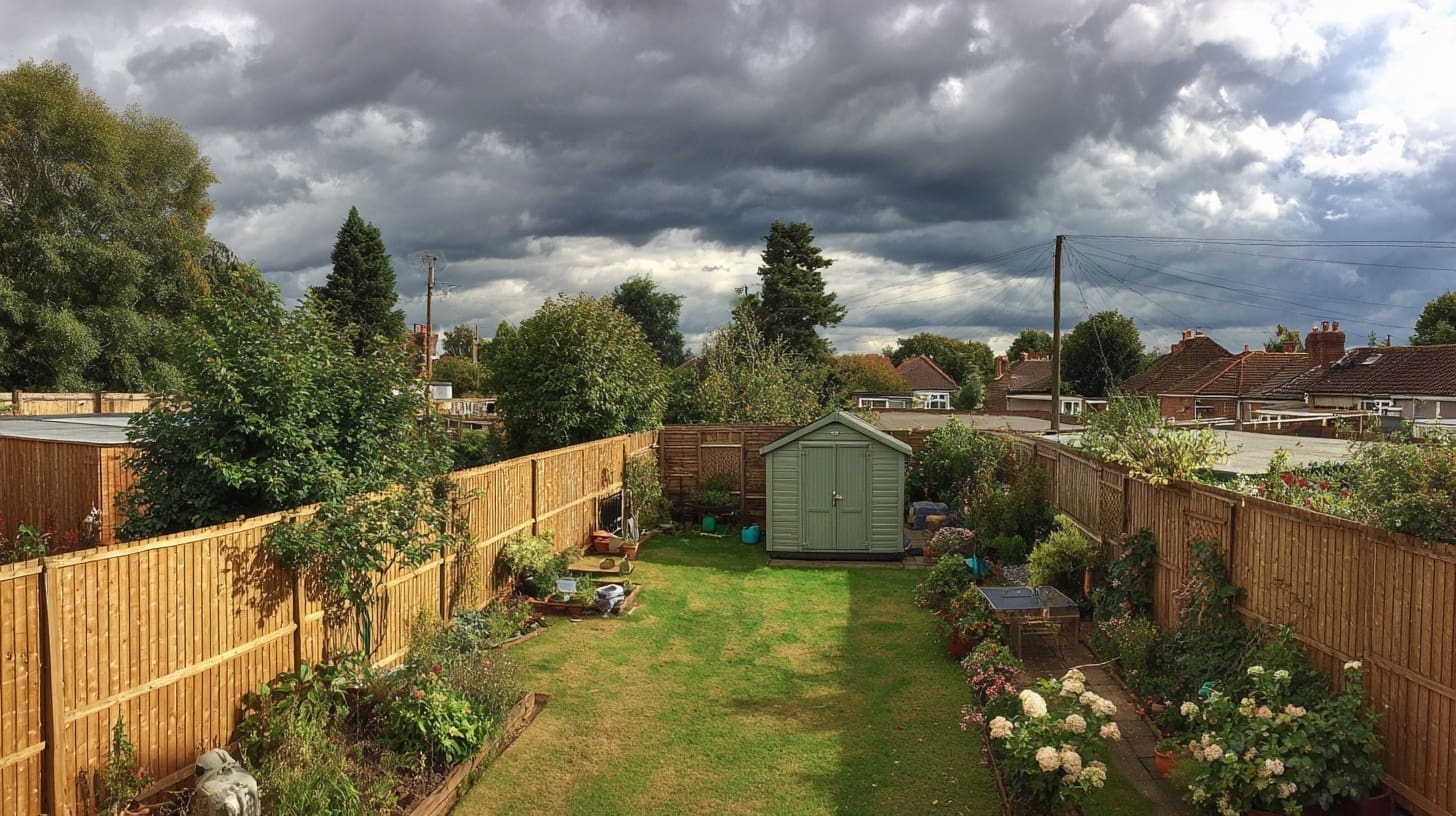
In 2025, homeowners across the UK are being caught out by planning rules that might seem minor but can lead to costly rework, neighbour disputes, or even enforcement notices from the council. At Care Fencing, we’ve seen a noticeable increase in people asking for advice after having fences installed that later turned out to breach local guidelines. Some have had to remove or modify entire installations. It’s a stressful situation that’s entirely avoidable with the right guidance. In this post, we’ll walk you through the current rules, the most common mistakes, and how to make sure your fence is both legal and long-lasting.
Why Planning Rules Matter More in 2025
The government’s recent push for more sustainable, regulated development has prompted many councils to tighten enforcement around boundary structures. With more homeowners extending and upgrading properties, fences are often treated as a quick job – but even something as straightforward as putting up a garden fence can fall foul of the law if you’re not careful. According to GOV.UK, any fence or boundary treatment over a certain height needs planning permission, and local authorities are paying closer attention now than they were even two years ago.
Fence Height Rules in England and Wales
The core rule for most domestic properties remains the same in 2025 as it has in recent years:
- You can install a fence or wall up to 2 metres high at the back of your property without planning permission.
- At the front of the property, or next to a road or pavement, the limit is 1 metre.
If you want to exceed those heights, even by just a few centimetres, you’ll need to apply for planning permission first. It’s also worth noting that if your home is a listed building, or sits in a conservation area or area of outstanding natural beauty (AONB), you may need permission regardless of height. Always check with your local authority before starting work if your situation falls into one of those categories.
Biggest Fence Planning Mistakes We See
At Care Fencing, we’re often called in after something has gone wrong. While we’re happy to help correct a previous installer’s errors, prevention is always better than cure. Here are the most common fence planning mistakes we’ve seen in the past 12 months:
- Building too high at the front of the property – Even well-meaning homeowners fall foul of this rule. If your new fence is over 1 metre and sits near a highway or footpath, you risk a planning breach.
- Assuming shared boundaries mean shared decisions – In boundary disputes, people sometimes erect fencing on the wrong side of a line, or without agreement. This causes headaches later on and can escalate to legal action.
- Changing height due to a raised garden – If your garden is sloped or artificially raised, the fence height must be measured from ground level. Don’t assume the 2-metre rule applies if you’ve built up a patio or platform.
- Fencing in front of hedges without checking rules – Some customers try to improve privacy by fencing in front of a hedge. In conservation areas or rural locations, this may require planning consent.
What Happens If You Breach Fence Planning Rules?
Councils have the power to issue enforcement notices for unauthorised fencing. This might mean you’re required to take down the fence, reduce its height, or apply for retrospective planning permission. If permission is refused, you’ll have to remove or modify the fence anyway. In more serious cases, failing to comply with an enforcement notice could result in fines. And if a neighbour reports it, things can get even messier.
One local council recently reported that over 500 fence-related planning complaints were received in a 12-month period – a clear sign that neighbours are paying attention. Don’t let a well-meant upgrade turn into a legal headache.
How to Stay Compliant and Stress-Free
We always encourage clients to take a few simple steps before arranging any fence work. These not only help you stay on the right side of the law but make the project smoother overall:
- Check your property’s title deeds to confirm boundaries and ownership. If you’re not sure, your solicitor or Land Registry can help.
- Talk to your neighbours about any shared boundaries. Even if it’s technically your fence, it’s courteous (and often very wise) to let them know what you’re planning.
- Check with your local council whether planning permission is needed. This is especially important if your property has restrictions or sits in a designated area.
- Use a professional installer like Care Fencing who understands all the latest regulations and can advise on the best materials and methods that suit both your goals and the law.
Common Fence Types That Trigger Questions
Some fence styles attract more scrutiny than others. At Care Fencing, we’ve been asked about these particular designs more than any other lately:
- Trellis toppers – These can push a 1.8-metre fence over the 2-metre limit. While great for growing plants and boosting privacy, they need careful measuring and consideration.
- Slatted fences – These have grown in popularity thanks to their modern aesthetic and airflow benefits, but they can sometimes give the impression of greater height than they have. They also may not offer full privacy if gaps are too wide.
- Decorative posts or finials – If these push the structure over 2 metres, they count towards the planning threshold. A lovely detail can turn into an accidental breach if you’re not careful.
Conservation Areas and Listed Buildings
If you live in a conservation area or own a listed building, you must be especially cautious. Some councils will require planning permission for any fence or wall, regardless of height or location. Even replacing a like-for-like fence can be subject to conditions. We always recommend checking before you begin. Care Fencing has helped clients navigate these additional rules, advising on heritage-sensitive materials like featheredge panels, waney lap, or stained finishes that meet the necessary appearance guidelines.
Tips for a Fence That’s Built to Last
Planning compliance is one thing, but getting the design right for your garden and needs is just as important. Here’s what we recommend to all our customers:
- Choose the right height for your lifestyle – 1.8 metres is ideal for most back gardens, offering privacy without compromising sunlight.
- Invest in pressure-treated timber and galvanised fixings to protect against rot and rust.
- Consider adding gravel boards at the bottom of your fence to keep panels off the soil and reduce moisture damage.
- Maintain your fence annually – a simple clean and treatment can extend its life by years.
Care Fencing offers expert installation across Leeds and the surrounding areas. We work with homeowners, landlords, and developers to deliver fencing that not only looks good but stands up to scrutiny from councils and neighbours alike. Whether you’re upgrading your garden boundary, replacing storm damage, or building a fence from scratch, we take care of every step – from helping you check permissions to delivering a clean, professional install you can be proud of.
Need Help Navigating Fence Rules?
If you’re unsure about fence planning rules or want a professional quote from a team that’s up to date with the latest regulations, get in touch with Care Fencing today. We’re always happy to offer honest advice and help you avoid unnecessary stress. From classic timber fencing to secure garden gates and full boundary solutions, we make fencing simple, compliant and long-lasting.
We’ll help you get it right the first time – no fines, no neighbour disputes, no guesswork. Just expert fencing installed properly.

