
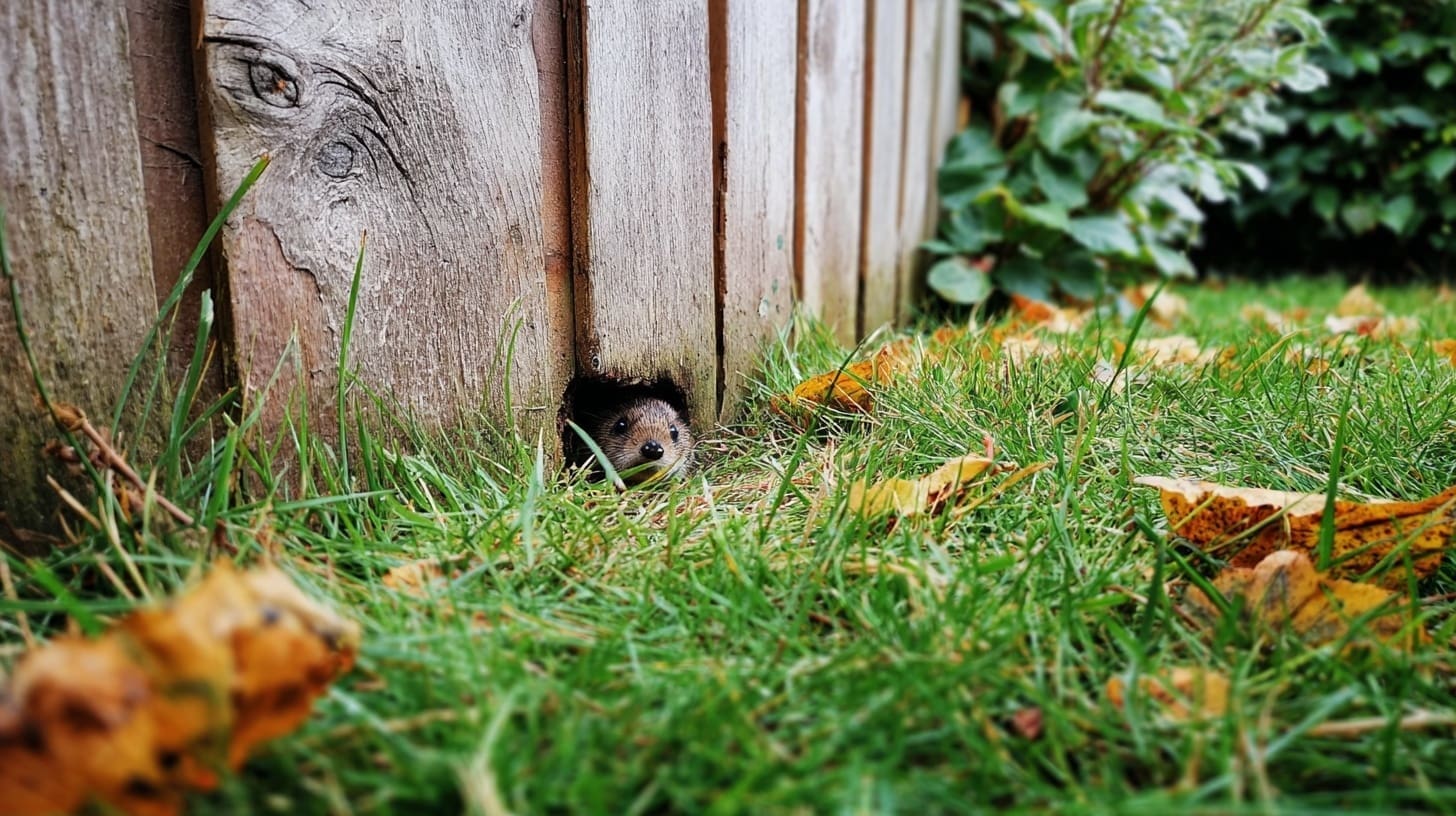
It might surprise you to learn that one of the best things you can do for hedgehogs in Britain today has nothing to do with feeding them or building fancy houses. It starts with your garden fence. More specifically, with a small, deliberate hole at the bottom of it. Known as a “hedgehog highway,” this simple 13×13 cm gap is transforming gardens up and down the country, and at Care Fencing, we’re proud to make this small change a big part of our work.
Why Hedgehog Highways Matter More Than Ever
Hedgehog numbers in the UK have fallen dramatically in recent years. According to the Hedgehog Street campaign, rural populations have dropped by up to 75 percent since 2000, with urban populations faring slightly better thanks to community action. One of the biggest problems? Habitat fragmentation. As gardens become more secure with solid fences and walls, the humble hedgehog’s nightly travel routes are being cut off. They typically roam around one to two kilometres each night in search of food, mates, and nesting spots. A fully enclosed garden can become a prison rather than a safe haven.
That’s where hedgehog highways come in. A small 13×13 cm hole at the base of a fence or gate is all it takes to allow these nocturnal visitors to pass freely between gardens. It might not sound like much, but when whole streets take part, the result is a connected network of safe spaces that can help populations recover.
The 13×13 cm Rule: Not Just a Guess
The 13×13 cm dimension is not just plucked out of thin air. It’s been established as the minimum viable size for most adult hedgehogs to fit through comfortably without risking injury. Make it any smaller, and you could be excluding the very creatures you’re trying to help. Make it significantly bigger, and you risk letting in pets like small dogs or losing structural integrity at the base of the fence. It’s a sweet spot that works across most fence types and doesn’t compromise strength or security.
How We Include Hedgehog Highways at Care Fencing
At Care Fencing, we specialise in fence installation and repairs across Leeds and the wider West Yorkshire area, and we’re proud to build wildlife-friendly features into our designs as standard when customers request it. When planning your fence installation, we’ll always ask about any specific features you’d like included – and hedgehog highways are becoming one of the most popular additions we’re asked about.
Here’s how we approach it:
- Consultation stage: We ask whether wildlife access is important to you. If it is, we’ll suggest suitable locations for hedgehog gaps that won’t affect strength or security.
- Installation: We carefully cut a 13×13 cm hole either in a gravel board, base panel, or between posts, depending on the fence style. We use clean, rounded corners and reinforce where needed to avoid any weakness.
- Finishing: We can add a discreet metal or plastic frame for reinforcement if preferred, or leave it natural for a more rustic look. We also advise on signage or neighbourhood initiatives if you’d like to encourage your neighbours to join in.
Where to Position a Hedgehog Highway
Not all parts of a fence are suitable for wildlife access. You’ll want to avoid placing the hole too close to a gate hinge, corner post, or structural joint. Ideally, position it in a lower traffic area where pets and children won’t accidentally damage it. At Care Fencing, we’ll help you choose a spot that provides the best access for hedgehogs while remaining neat and unobtrusive to you.
Can You Retrofit One into an Existing Fence?
Yes – and we often do. If you already have a wooden fence installed by another company or yourself, we can come out and retrofit a hedgehog highway for you. It’s a quick job, typically done in under an hour, and we’ll make sure it’s safe, tidy, and aligned with the 13×13 cm rule. If your garden uses concrete gravel boards, we can often replace one section with a modified wooden or uPVC panel that includes a pre-cut access point.
Do You Need Planning Permission?
In nearly all cases, no. Adding a hedgehog gap is considered a minor, non-structural modification that doesn’t affect planning status. However, if your fence borders public land or a shared boundary, it’s best practice to check with neighbours or local authorities first. Some councils now actively encourage the inclusion of hedgehog highways in new housing developments, and it may even be something required in your area.
How to Encourage Neighbours to Get Involved
Hedgehogs don’t care about property lines. They’ll only benefit if gaps are made at multiple points along a street. That’s why many of our customers ask us for a few extra printed leaflets or door-knock talking points to share with neighbours. In some cases, we’ve even worked on whole rows of gardens, adding hedgehog highways in one go to create a seamless run of access.
If you’re passionate about wildlife and want to make a difference, we recommend using your new fence as a conversation starter. Let people know why you’ve added the hole and how easy it is to do. And if you’re not comfortable asking yourself, we can supply a tidy sign or plaque to go above the gap that explains its purpose to passers-by.
Other Wildlife-Friendly Fence Options
At Care Fencing, we’re always looking for ways to make our fences work better for both people and nature. Beyond hedgehog highways, here are a few other features we can include during installation:
- Trellis tops: Perfect for climbing plants that attract pollinators and birds.
- Perch rails: Simple cross-bars that allow birds to rest or access feeders.
- Native planting advice: Recommendations for shrubs and climbers that support biodiversity.
These features not only help wildlife thrive but also add charm, colour, and movement to your garden. They’re small touches that make a big difference.
Keeping the Gap Clear Year-Round
One thing we always advise customers is to keep an eye on the access hole throughout the year. Leaves, mud, and garden clutter can quickly block a hedgehog highway, especially during autumn and winter. A quick check during your regular garden tidy-up is usually enough. If you have pets, it’s also a good idea to keep the area free from strong-scented deterrents or slug pellets that might harm hedgehogs.
Hedgehog Protection and the Law
It’s worth knowing that hedgehogs are listed as a “species of principal importance” under the Natural Environment and Rural Communities Act 2006. That means they are legally recognised as a priority for conservation. While there’s no current legal obligation for homeowners to include highways in fences, their inclusion is increasingly being encouraged at planning level. In short, you’re doing the right thing by including one – and staying ahead of future requirements.
What Our Customers Say
Many of our clients have told us how much joy it brings them to spot a hedgehog snuffling through the garden at dusk, knowing their fence has helped make that possible. We’ve even had customers set up wildlife cameras near their access gaps and share the footage with us. It’s incredibly rewarding, and something we’re proud to be a part of.
Make Your Fence Work for Wildlife with Care Fencing
If you’re planning a new fence, replacing an old one, or just want to retrofit wildlife-friendly features, Care Fencing is here to help. We install fences of all types – from closeboard and decorative panels to driveway gates and commercial fencing – and we always build with care, detail, and long-term value in mind. Hedgehog highways are just one of the many ways we help homeowners get more from their outdoor spaces.
Based in Leeds and serving the whole of West Yorkshire, we offer free quotes, quick turnaround, and friendly, knowledgeable advice. If you’re thinking about your next garden upgrade, contact us today and ask about our wildlife-friendly options. Together, we can create outdoor spaces that are beautiful, functional, and kinder to nature.

