
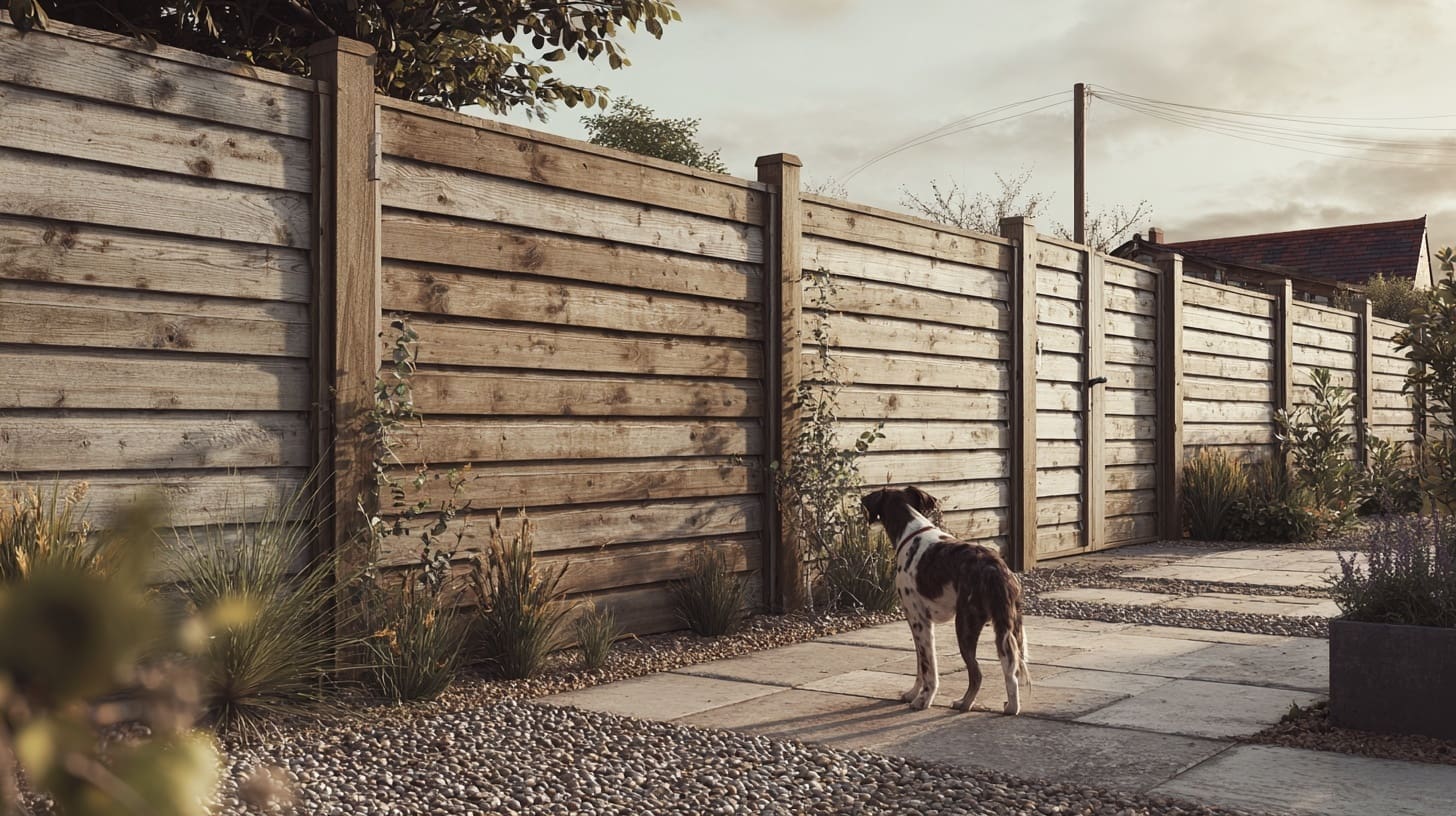
If you share your Wakefield home with a dog or a cat, your fence does more than mark a boundary. It keeps pets safe, protects neighbours’ gardens, and saves you worry. If you have already searched for fencing near me you will have seen a lot of choice. The right answer is not about fashion. It is about avoiding dig outs, jump outs, and squeeze outs. As fencing contractors who work across West Yorkshire, Care Fencing builds pet safe solutions that look tidy and last.
What pet safe means in real gardens
A pet safe fence stops a dog digging under, squeezing through, or jumping over. It denies cats easy grip and simple launch points, while still looking good from the kitchen window. It should open and close with one hand, stay square through winter and summer, and cope with daily knocks. Pet safe also means people safe. Latches sit high enough for children not to flip, hinges do not trap fingers, and gravel boards lift timber away from soil and paws.
Why fences fail with pets
Most failures are simple. Gaps under panels offer a quick escape route. Loose latches invite a nose push. Slatted panels leave footholds for climbers. Soil piled against boards traps moisture and hides rot at the base. On some plots, wind funnelling shakes flimsy posts until gates scrape and fail. Fixing these weak spots does not take gimmicks. It takes sound posts, clean detailing, and a gate that closes every time.
Height that actually helps
Small breeds rarely challenge height. Medium breeds can clear 1.2 m when excited. Strong jumpers can reach 1.5 m if the run-up is clear. For most Wakefield gardens a 1.8 m rear boundary gives safe headroom while staying within common planning limits. If two gardens sit at different levels, we adjust the top line so you keep privacy without odd steps that create a launch point. The aim is calm control, not a fortress.
Blocking the dig route
Dogs test the base first. A concrete gravel board stops the easy tunnel. We sit the board flush to the ground and backfill cleanly on your side. For expert diggers, we add a hidden dig barrier that drops around 150 mm below finished ground. This line stops claws meeting soft soil at the fence. It works with closeboard, composite, and mesh. It is simple and it removes a common failure.
Stopping squeeze outs
Squeeze outs happen at posts, gates, and uneven ground. We keep gaps tight and consistent. We trim around trunks and sheds so there is no wedge space. At gates we fit closers, set latch heights to suit adults, and use drop bolts that land in a proper receiver. We do not leave a tempting gap under the leaf. Good detailing keeps pets in and keeps the fence looking neat.
Cats and climb control
No domestic fence can promise a cat proof boundary, but you can make escape less likely. Smooth closeboard panels limit claw holds. Taller runs reduce easy spring points. For dedicated climbers we can add angled cat guards that tip inwards. They look tidier than old wire toppers and work better than ad-hoc fixes. We set them back from overhanging sheds, trellises, or trees, as those act like ladders. The goal is to reduce success, not pick a battle you cannot win.
Materials that suit pets and people
Closeboard with concrete posts and gravel boards is the default because it gives privacy, strength, and clean lines. Composite boards suit side returns with bins and bikes because they resist knocks and do not need repainting. V-mesh works along paths where visibility helps supervision. Railings look smart at the front but need correct spacing to avoid head traps. In busy family gardens we blend materials so function and look both work.
The gate you use every day
Gate failures cause more escapes than panels. We hang gates on strap hinges rated for the leaf size, brace the leaf so it stays square, and fit a latch that shuts every time. We set latches high so children cannot flip them easily and dogs cannot paw them open. We add a drop bolt that lands in hard ground, not soft soil. On driveways we allow for vans and trailers so the gate does not need constant adjusting. Daily use should feel simple and safe.
Drainage, soil, and planting
Wet soil encourages rot and movement. We lift timber off the ground with gravel boards. We keep beds back from posts so moisture does not sit where it can cause swelling and decay. We leave a small gap at the base so water runs clear. If you love planting, we set trellis on your side so climbers do not provide footholds and do not trap damp against the main panel. These small choices protect both fence and pets.
Wind and Wakefield clay
Clay shifts between wet and dry spells. Wind shakes weak posts. We dig to proper depth, typically around 600 mm for a standard 1.8 m run, and go deeper on exposed corners or long straight lines. We use quality concrete collars and let them cure. On wind tunnels we prefer semi solid designs that let air pass. This reduces pressure and stops shake that can pop fixings and misalign gate leaves.
A single, practical checklist for pet owners
Use this one list when you plan a pet safe boundary.
-
Gravel board at the base, dig barrier if needed.
-
Tight gaps at posts and gates, latch high, drop bolt to hard ground.
-
1.8 m height at the rear, adjust for level changes.
-
Smooth panels or mesh to reduce climbing holds.
-
Concrete posts set deep to handle clay and wind.
This set keeps escapes rare and upkeep low.
Costs with an eye on value
Concrete posts and gravel boards cost more on day one than timber posts. They also last longer and need less attention. Composite boards sit above timber on price but remove painting from your life. Over ten years the composite fencing cost can look sensible if time is tight and shade keeps timber damp. We lay out both options with a clear price and explain where spend protects against real risks for pets. You then choose with a calm mind.
Planning, neighbours, and courtesy
Rear fences usually sit at 1.8 m without trouble. Boundaries next to highways often have a 1.0 m limit. If you share a line, we speak to neighbours before we start. We work in sections so gardens are never left open, and we keep gates shut while we are on site. Pet safety includes the build itself. That courtesy matters and keeps stress down for everyone.
The installation day with Care Fencing
We arrive on time, protect lawns and paths, and set out the line. We remove old runs in sections so pets do not get out. We set posts, fit gravel boards, hang panels, and leave the site safe at the end of each day. We test the gate with you, show how the latch and drop bolt work, and give you a simple care note. Clean work and clear handover help families settle fast.
Light maintenance that makes a difference
Wash panels and posts a couple of times a year. Oil hinges. Check the latch and drop bolt. Trim plants back from the line. After storms, press on the top of a few posts. If anything moves, book a quick inspection before a small issue spreads. Small habits keep fences pet safe without drama.
Why choose Care Fencing for pet safe work
Care Fencing builds with care and experience. We know the layouts, soils, and winds that shape Wakefield gardens. We plan with you, build neatly, and keep advice plain. Many customers find us by searching fencing contractor near me and stay with us because the work lasts and the gates shut with a crisp click year after year. If you want a calm plan and a clean result, we are ready to help as your local fencing contractors at Care Fencing.
Ready to make escape a non-event
A pet safe fence is not complicated when you focus on the base, the gaps, and a gate that always closes. Choose the right height, match the material to the space, and build on solid posts. If you are weighing options after searching for fencers near me, save time. Ask Care Fencing for a straight plan and a clear price. Your pets stay in. Your garden looks tidy. You stop worrying about the next gap under the fence.

