
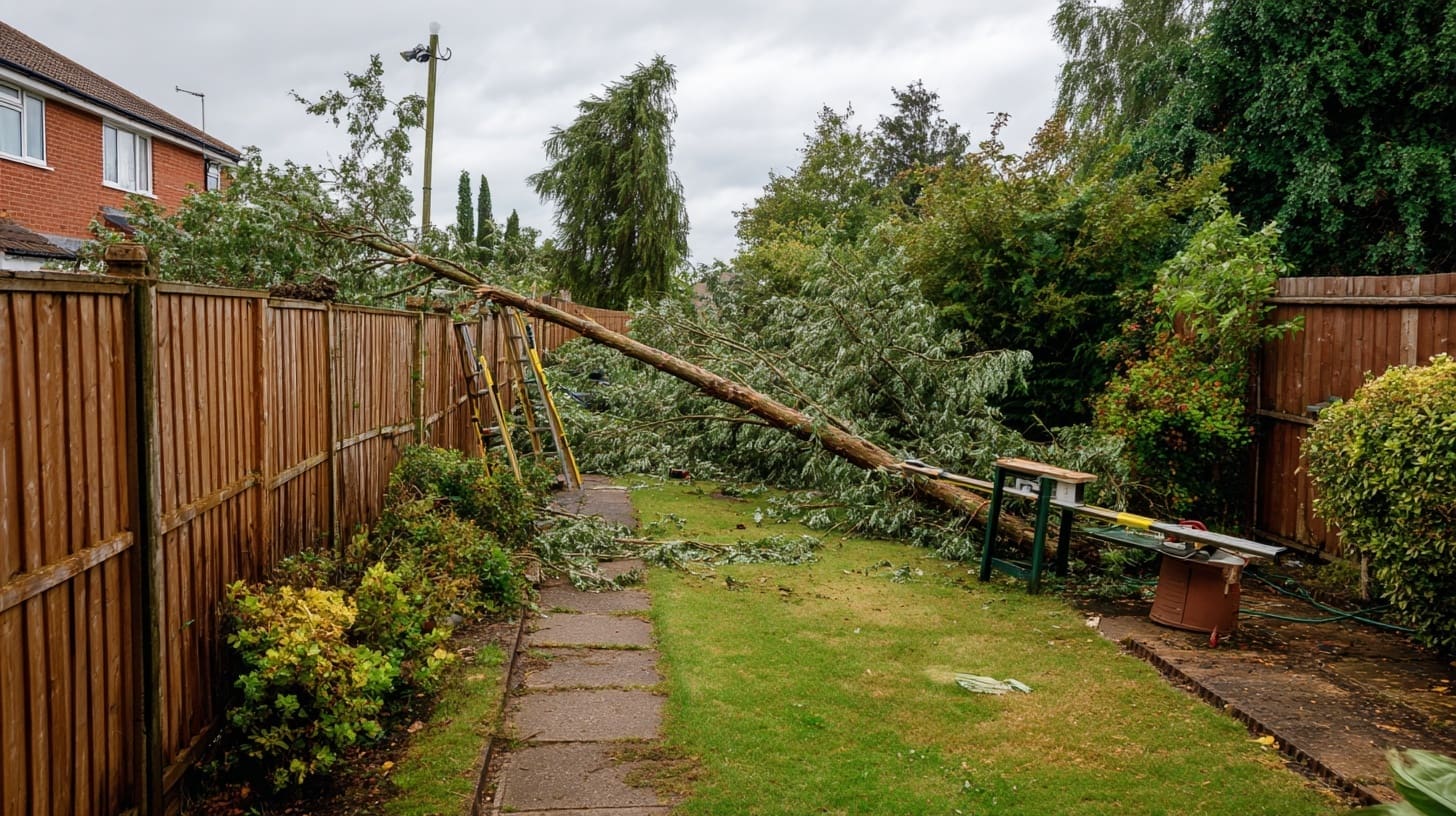
When storms hit Wakefield, fences take the brunt. Posts loosen, panels lift, gates drop, and small knocks turn into big failures if you leave them. If you are already searching for fence repair near me the best time to act is now. As a fencing and fence installation expert who works across West Yorkshire, I see the same pattern after every spell of high winds. The fences that last share a few simple traits – sound posts, proper concrete collars, sensible panel choice, and clean detailing at the base. In this guide I will show you how to triage damage, which fixes buy you time, and when a straightforward repair beats a full replacement. Care Fencing handles repair callouts and full refits, and the approach never changes – calm survey, clear plan, tidy work.
Why Wakefield fences fail after storms
Wind loads find weak points. End posts and corners take more force than mid runs. Shallow footings shift in wet clay. Timber at ground level rots first. Heavy solid panels act like sails, while semi solid designs let some air pass and reduce stress. The result is familiar – a tilt at the base, a rattling panel, a dragging gate. Most rear gardens in the UK use 1.8 m high panels because they balance privacy with planning rules, and most post holes run at about 600 mm depth for that height. That depth works until waterlogged clay softens or a long, exposed run funnels wind. Good repair work addresses those facts rather than papering over them.
First checks you can do safely
Stand back and look along the top line. If it snakes, posts have shifted. Sight down each post to see if it leans forward or back. Check for gaps under gravel boards. Open and close the gate – any scrape means the hinge post has moved or the leaf has sagged. Press the top of a suspect post – if it rocks at the base, the concrete collar has failed. Look for cracked panels, split rails, or snapped arris rails in older closeboard runs. Note where shrubs or soil press on timber, as trapped moisture accelerates decay. These quick checks take a few minutes and tell you whether you need immediate stabilisation or a booked repair.
Stabilise first – then plan the repair
If a post is moving and strong winds are due again, brace it. A simple timber prop set at an angle from firm ground to the post will buy time. Tie back a leaning section with a ratchet strap to a tree or a secure anchor on your side. Keep pets away from gaps. Do not try to re-concrete in a storm or cut panels in high winds. Stabilise, wait for settled weather, and then bring in a professional. Care Fencing will make safe first if conditions demand it, then return to complete the job.
Repair or replace – spend where it matters
Many Wakefield fences only need post replacements and a few new fixings. Panels often survive, especially if you use concrete gravel boards that keep timber off wet ground. If two or three posts have gone in a long run, we can usually swap those posts, re-hang panels, and leave you with a straight line. If posts are sound but two panels have broken, panel replacements are quick. Full replacement makes sense when rot is widespread, when posts were set too shallow across the run, or when a change of style will solve recurring issues. A frank site survey will tell you which option gives best value.
Post choices that stand up in Wakefield clay
Concrete posts last for decades with basic care. They do not rot, and they resist ground movement better than timber. Timber posts can work if you keep them out of soil and use UC4 treated material, but they still demand more attention over time. For standard 1.8 m panels, post holes of around 600 mm deep with quality concrete will serve most gardens. In very exposed spots or where ground is soft, we go deeper and sometimes upsize corner posts. We always set posts plumb and allow proper curing time. These are small, boring steps that buy you years.
Panel choices that reduce wind stress
Closeboard panels are solid and private. In wind tunnels they need more robust posts and careful spacing. Double slatted or hit-and-miss designs allow air through while still screening the garden. That small change reduces pressure and shake. V-mesh along side paths gives security with visibility. Composite boards offer a clean, modern look and low maintenance – the composite fencing cost is higher upfront, but for busy households the time saved on painting is real over ten years. The best choice depends on your plot, exposure, and how you use the space. We will look at those details with you.
Gates – the daily failure point
A fence can be perfect while the gate lets you down. After storms, gates start dragging. Often the hinge screws have loosened or the post has rotated. The fix can be as simple as new fixings and an alignment check, but weak hardware will fail again. We specify strap hinges with proper through-bolts, braced leaves that hold their shape, and drop bolts that seat into hard ground rather than soft soil. We set latches to a sensible height and ensure clearances are tight enough to stop pets squeezing out. If you plan to automate later, we set the posts and underground ducting now so you do not dig twice.
A simple triage plan for homeowners
Use this one short process to decide your next step after high winds.
-
Look along the top line for waves – if yes, posts have moved.
-
Push each suspect post – if it rocks, brace and book repair.
-
Check the base for rot or crumbling concrete – plan a post swap.
-
Inspect panels for broken rails – count replacements needed.
-
Test the gate – if it drags or catches, note hinge and latch issues.
This calm, five-point list keeps decisions simple and avoids panic buys.
How Care Fencing handles repairs
We start with a survey. We confirm the boundary line, mark safe access, and check services so we do not hit pipes or cables. We photograph the damage for your records. We itemise what we can save and what we must replace. We agree a method – post swaps, panel changes, or a short rebuild. On the day, we protect lawns and paths, remove damaged materials in sections so your boundary is never wide open, and set new posts with proper concrete collars. We re-hang panels level, refit or replace gates, and check every latch and drop bolt. We leave the site tidy, remove waste, and give you simple notes on care. It is steady, reliable work.
Planning rules and neighbour relations
Most rear boundaries fall under permitted development with typical heights around 1.8 m to 2.0 m. Next to highways the limit often drops to 1.0 m. If your fence sits on or near a shared boundary, we talk to neighbours before we start. We confirm which face needs to look tidy and how we will manage access. Clear communication removes friction and speeds up the job. Terraces and semis benefit from a quick chat across the fence the day before we arrive. It keeps pets safe and avoids surprises.
Costs without the guesswork
Repair pricing is mostly driven by the number of posts to replace, the panel type, access, and waste. Concrete posts cost more than timber but tend to be a one-time fix. Gravel boards add a small cost and save panels from soil contact. Composite costs more upfront but usually needs no painting. We will show you where spend actually improves life and where it does not. We will then price the job line by line so you can see what you are paying for and why. That transparency is how Care Fencing works on every project.
Common Wakefield scenarios and fixes
Leaning end post on a 1.8 m run – swap to a concrete end post, deepen footing, re-hang panel, and add a gravel board if not present. Mid-run rock on soft clay – replace two adjacent posts, step up footing size, and consider semi solid panels if garden funnels wind. Dragging gate after storms – re-hang with strap hinges, check bracing, trim the base by a few millimetres if the ground has heaved, and add a proper drop bolt with a drilled receiver in hard ground. Panels intact but multiple loose posts – a phased post replacement approach saves panels and spreads cost. These are not abstract ideas – they are everyday fixes that keep budgets sensible.
Maintenance that prevents repeat failures
Wash panels and posts to remove grime and salts once or twice a year. Keep plants off the line so moisture does not sit on timber. Keep soil and mulch off gravel boards. Oil hinges and check latches. After any storm, walk the fence and press on the top of posts – if you feel movement, call for a quick inspection. Small actions prevent big work. We can set a light maintenance plan if you prefer a set-and-forget approach.
Why choose Care Fencing for Wakefield repairs
We live and work here. We understand clay, wind exposure, tight access, and the way gardens are laid out in Wakefield. We do not rush curing time. We do not hide extras. We do the basics well and keep sites clean. If you want more detail on how we work and the services we offer as fencing contractors, you can learn more on Care Fencing. Or, if you prefer to keep browsing options for fencing near me, we are happy to be one of the quotes you compare. Either way, you will get straight advice and tidy work.
Ready to make the fence safe again
High winds expose weak spots, but most fences can be brought back to full strength with simple, well planned repairs. Stabilise first, survey with a cool head, and spend where it makes a real difference – posts, footings, and gates. If you need help now, book a survey. Care Fencing will get you from a leaning line to a straight, strong fence that stays put through the next storm.

