Choosing between composite and timber fencing in 2025 is no longer just a question of taste or budget. With new fire safety guidance, evolving environmental priorities and more homeowners wanting low‑maintenance outdoor spaces, the decision now carries extra weight. Whether you’re replacing an old fence or planning a new build in Leeds or across West Yorkshire, this post gives you a clear, professional breakdown of both materials based on what we’re seeing every day at Care Fencing.
Why the Debate Matters More in 2025
In recent years, composite fencing has surged in popularity, especially for homeowners seeking sleek, modern designs and less maintenance. But in 2025, rising interest in sustainability and renewed attention on fire resistance – particularly after various high‑profile reports – has changed the conversation. Many customers are now asking not just “which looks better?” but “which will last?”, “what’s safest?”, and “which option fits my long‑term plans?”
At Care Fencing, we install both composite and timber fences, and we make it our mission to give honest, no‑nonsense advice tailored to each property. Let’s look at the facts.
What Is Timber Fencing?
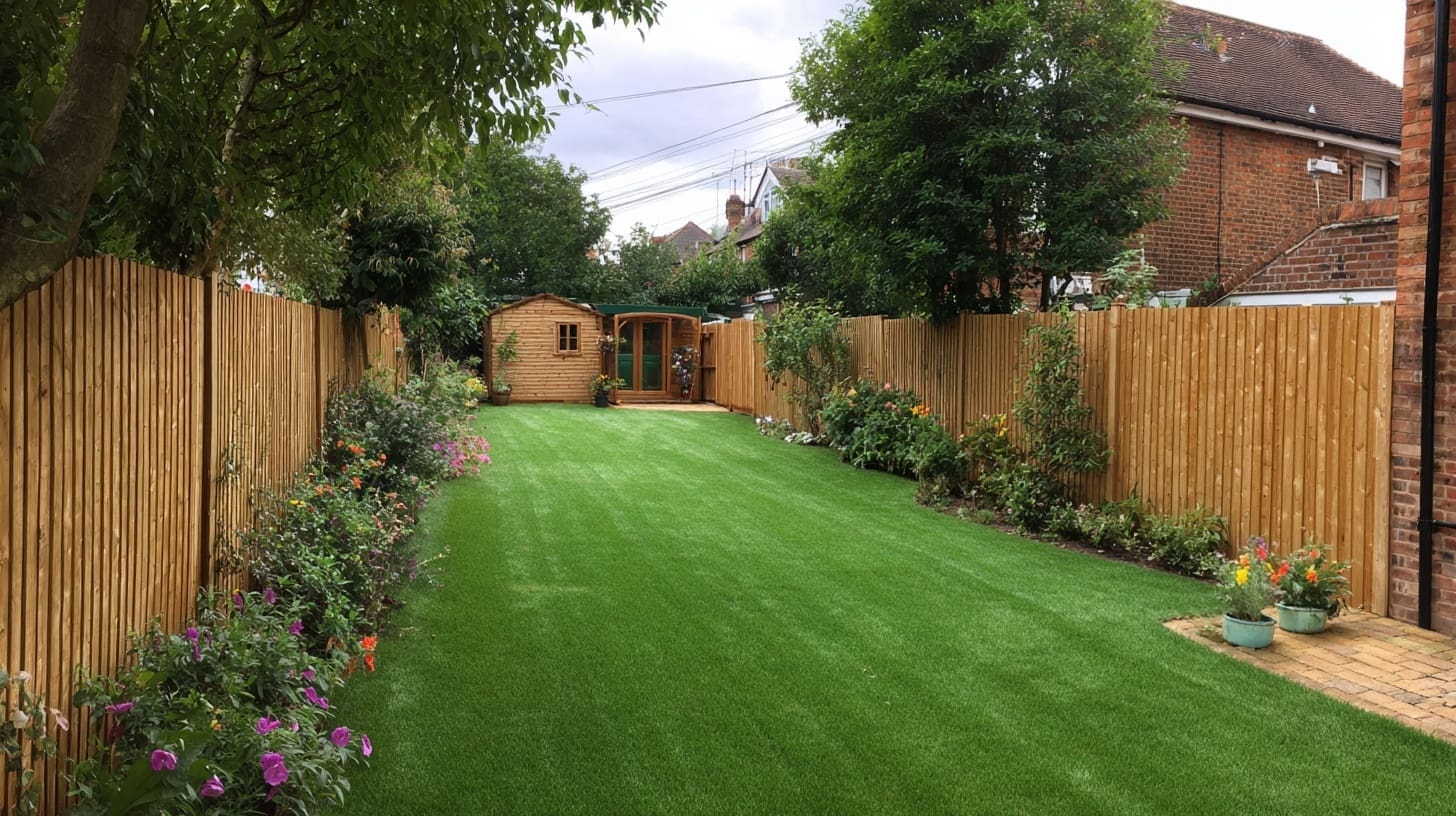
Timber fencing is the traditional go‑to for British gardens. It’s familiar, cost‑effective, and – when properly treated and installed – can last for many years. Most timber fencing uses softwood (like pine or spruce), which is pressure treated to resist rot and decay. You’ll also find higher‑end options using hardwoods or specialist decorative finishes.
The most popular styles include vertical feather edge boards, horizontal slatted panels, and picket fencing. At Care Fencing, we also install closeboard panels, post‑and‑rail systems and bespoke timber builds for homes with non‑standard layouts.
What Is Composite Fencing?
Composite fencing is made from a mixture of recycled plastics and wood fibres. These boards are formed to mimic the look of timber but come with added durability and reduced maintenance. In 2025, most quality composite systems are fully enclosed with aluminium or galvanised steel posts and frames, offering a sleek and modern aesthetic that appeals to urban homeowners and new developments.
It’s worth noting that while composite fencing is still considered a newer technology, its reliability has improved massively over the past five years. Early systems sometimes warped or faded, but modern composite panels are now made to resist UV damage, weathering and impact, often with warranties of 20 years or more.
Appearance and Style: Traditional vs Contemporary
Timber fencing offers a classic, warm, and natural appearance. It can be stained, painted or left to weather naturally into that silvery grey patina that many people love. It’s perfect for period properties, cottages, or gardens where planting plays a big role in softening the boundary.
Composite fencing, by contrast, delivers a crisp, uniform look. Available in greys, blacks, and taupes, it fits beautifully into modern garden designs and low‑maintenance spaces. If your property has bi‑fold doors, composite often echoes the aluminium lines of your frames and looks seamless across garden zones.
At Care Fencing, we often advise clients to mix both materials when it suits. Composite panels with timber posts can offer the best of both worlds – although bear in mind, post lifespan and treatment matter more when going hybrid.
Fire Safety in 2025: What You Need to Know
One of the most important developments in the fencing world this year is the renewed concern over fire ratings.
In 2024, several housing developers began restricting the use of composite cladding and fencing close to property boundaries, especially in multi‑unit dwellings or high‑risk areas. That’s because some older composite systems failed to meet the latest BS EN 13501 fire classification standards.
While this doesn’t mean all composite fencing is a fire risk, it does mean that if you live in a shared property, conservation area, or in proximity to other buildings, you need to check the fire classification of any composite fencing you install. Some products are now explicitly labelled ‘non‑compliant for boundary use’ or ‘only suitable for detached installations’.
Timber fencing, while flammable, is a known quantity in building regulations. When treated properly and spaced as required, it’s still considered safe for boundary use. At Care Fencing, we always advise clients to consult with their planning authority or building control officer before installing large runs of fencing in potentially sensitive areas.
Lifespan and Durability: Which Lasts Longer?
Composite fencing typically comes with manufacturer warranties of between 15 and 25 years. Because it resists rot, UV fade, insect damage and warping, many people assume it’s the longer‑lasting option. And in the right conditions, it absolutely is.
That said, timber fencing – especially when installed correctly with gravel boards, concrete or steel posts, and treated UC4 ground‑contact timber – can also last well over a decade. Regular care can extend that even further.
The biggest enemy of timber fencing is neglect. If it sits in soggy soil, lacks proper drainage, or is left untreated for years, it will decay. That’s why at Care Fencing we always install pressure‑treated posts and recommend inspection and resealing every few years.
Maintenance: Set and Forget vs a Bit of TLC
This is where composite really shines. It doesn’t need repainting, staining or sealing. A yearly wash with soapy water and a soft brush is usually all it takes to keep it looking smart.
Timber fencing, while beautiful, does need more upkeep. It benefits from re‑staining or painting every 2 to 3 years to protect against moisture and UV. You may also need to replace the occasional panel or board after storm damage.
Some of our clients at Care Fencing love this aspect of timber – it lets them freshen the garden with a new colour or make minor tweaks seasonally. Others prefer a low‑effort solution that won’t demand a weekend of work every summer.
Environmental Impact: Sustainability Matters
There’s a common misconception that composite fencing is always more sustainable because it uses recycled plastic. But the picture is more nuanced.
Timber fencing, especially when sourced from FSC‑certified forests, is renewable and stores carbon during its lifetime. It can also biodegrade at end of life, unlike composite which contains plastics that must be processed or incinerated.
However, composite fencing does make use of plastic waste that might otherwise go to landfill. And because it doesn’t require paint, sealants or chemical treatments, it can reduce ongoing environmental impact.
At Care Fencing, we help clients weigh up the benefits based on their values. We’re happy to supply FSC‑certified timber and explain how to dispose of or reuse old fencing responsibly, whichever material they choose.
Costs in 2025: What Should You Expect to Pay?
As of mid‑2025, composite fencing materials cost around 30 to 50 percent more than good quality timber. That means for a standard 6‑foot panel, you might pay £80 to £100 for timber, versus £120 to £150 for composite. These are ballpark figures and vary by style, supplier and installation complexity.
The installation cost for both is broadly similar, although composite fencing often requires more precision, especially with proprietary post systems and trims. At Care Fencing, we install both systems with the same level of care and accuracy, ensuring clean lines and lasting durability.
Here’s a quick overview:
-
Timber fencing: Lower upfront cost, higher maintenance over time, flexible styling
-
Composite fencing: Higher initial investment, minimal maintenance, sleek modern look
So, Which Should You Choose?
Ultimately, there’s no one-size-fits-all answer. Your decision will come down to your property type, design preferences, budget, and willingness to maintain your fence over the years.
Choose timber fencing if:
-
You want a classic, natural look
-
You enjoy customising with paint or stain
-
You’re comfortable with occasional maintenance
-
You want to keep costs lower upfront
Choose composite fencing if:
-
You want a modern, sleek appearance
-
You need a low-maintenance boundary
-
You’re happy to pay more upfront for less hassle
-
Your garden style suits a uniform, crisp finish
What Care Fencing Recommends
As a local fencing company serving Leeds and West Yorkshire, we pride ourselves on practical, honest advice. We never push customers toward one material over another. Instead, we take the time to understand your goals, check planning or boundary issues, and recommend a solution that fits your property and your priorities.
From full timber panel installations to composite systems with aluminium framing, our team handles everything from site preparation and post setting to the final finishing touches. We even take away your old fencing and ensure everything is left tidy and secure.
If you’re not sure which fencing type to go for, we can bring samples to site, show you recent projects, and walk you through the pros and cons in plain English. There’s no pressure and no jargon – just professional, friendly service.
Ready to Upgrade Your Fence?
Whether you’re just starting your garden project or replacing storm-damaged panels, now’s a great time to make a change. With proper advice and quality materials, your new fence can last for years and instantly improve your property’s look, privacy and security.
To book a free site visit or get a quote for timber or composite fencing, contact Care Fencing today. We’ll help you make a choice that works beautifully for your home and your lifestyle.

