
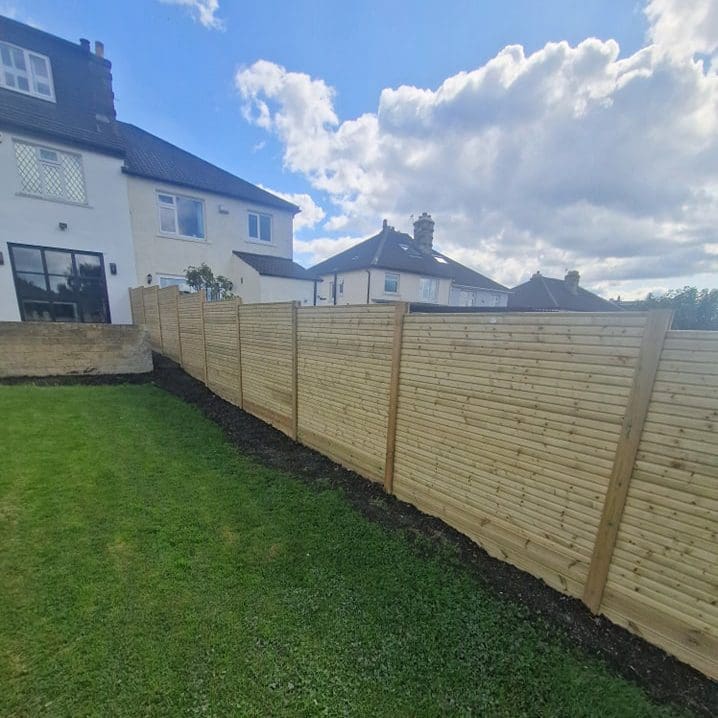
Fencing is not just a boundary marker or a means to secure your property; it’s an integral part of the landscape design that adds aesthetic value and functionality to your outdoor space. However, when it comes to challenging terrains, particularly those with slopes and undulating landscapes, standard fencing solutions often fall short. The key to successful fence installation in such areas lies in thoughtful planning, design adaptation, and the choice of appropriate materials.
Understanding the Terrain
The first step in adapting fencing for challenging landscapes is to thoroughly understand the terrain. Slopes and uneven grounds present unique challenges, including varying post depths, fence height inconsistencies, and potential stability issues. A detailed survey of the land helps in identifying the degree of slope, soil type, and any obstacles that may affect the fence installation.
Choosing the Right Type of Fence
Not all fences are suitable for sloped terrains. The choice of fencing should be guided by the landscape’s needs and the desired functionality of the fence. Options include:
- Stepped Fencing: Ideal for steep slopes, stepped fences are constructed in sections that step down with the terrain. Each panel sits higher or lower than the next, creating a stair-like appearance. This option provides a uniform fence height but can leave gaps under the fence at each step.
- Racked Fencing: Racked or raked fencing is designed to follow the land’s contours, providing a more seamless look. The fence rails are angled to match the slope, allowing the pickets to remain vertical. This method is best suited for gradual slopes and offers a more consistent barrier without gaps.
- Custom Contoured Fencing: For landscapes with complex contours, custom fencing solutions that are tailored to the specific undulations of the terrain can provide the best aesthetics and functionality. This often involves a combination of stepped and racked fencing techniques and may require professional design and installation.
Material Considerations
The choice of materials is crucial when dealing with challenging terrains. Materials need to be flexible enough to adapt to the landscape while providing the necessary strength and stability.
- Wood: Offers a traditional look and can be easily customised to fit sloped terrains. However, it requires regular maintenance to withstand weather elements, especially in sloped areas where water runoff can be a concern.
- Vinyl: Low maintenance and durable, vinyl fencing can be adapted for slopes, though the extent of its flexibility depends on the specific product. It’s a good choice for both stepped and racked installations.
- Aluminium or Steel: Metal fences, particularly those with adjustable panels, can work well on slopes. They offer durability and strength, with some designs allowing for rackability to conform to the landscape.
Installation Techniques
Proper installation is key to ensuring the longevity and stability of a fence on challenging terrains. For sloped landscapes, it’s important to consider:
- Post Installation: Posts may need to be installed at varying depths, with those on the lower side of a slope requiring deeper setting to maintain fence height consistency.
- Drainage: Proper drainage solutions should be incorporated to prevent water accumulation around the fence, which can lead to soil erosion and instability.
- Access Points: Gates and access points may require special consideration and adaptation, especially on steep slopes, to ensure they are functional and secure.
Legal and Aesthetic Considerations
Before undertaking any fencing project, it’s important to be aware of local regulations and requirements, particularly for properties on slopes, as there may be additional considerations regarding height, stability, and environmental impact.
Aesthetically, the fence should complement the natural landscape and the architectural style of any buildings on the property. The goal is to enhance the property’s overall appearance while providing the needed functionality, whether it’s security, privacy, or simply marking a boundary.
Fencing on challenging landscapes requires a careful balance between form and function. By understanding the terrain, choosing the right type of fence and materials, and employing proper installation techniques, it’s possible to achieve a fencing solution that is both effective and visually appealing. Whether it’s the rolling hills of Yorkshire or any other region with its unique landscape challenges, adapting your fencing to the terrain can transform your outdoor space, providing both beauty and functionality.

