
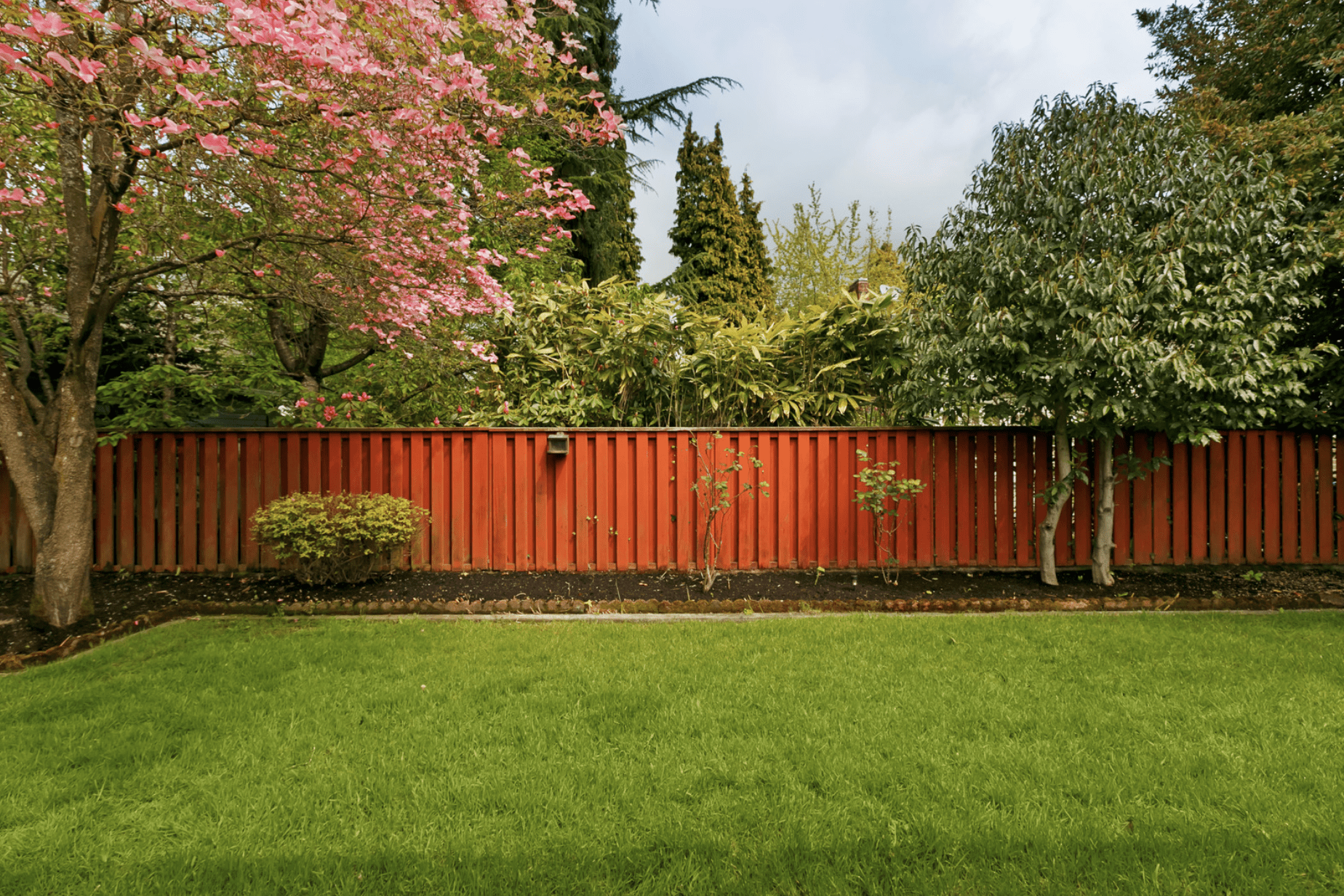
In the realm of outdoor aesthetics and functionality, fencing is more than just a boundary marker or a security feature; it’s an integral part of landscape design that can significantly enhance the visual appeal and usability of outdoor spaces. Integrative fencing is a concept that harmonizes the practical aspects of fencing with the artistic and environmental elements of landscape design, creating spaces that are not only secure and private but also visually captivating and ecologically harmonious.
Understanding Integrative Fencing
Integrative fencing is about blending the fence seamlessly into the landscape, making it an extension of the garden rather than a standalone feature. This approach considers the style of the home, the layout of the garden, and the natural surroundings to create a cohesive and aesthetically pleasing environment. It’s about choosing materials, designs, and placements that complement the existing landscape and contribute to the overall theme and atmosphere of the outdoor space.
Materials and Design
The choice of materials is crucial in integrative fencing. Natural materials like wood and stone can blend seamlessly into traditional and rustic landscapes, enhancing the natural beauty of the garden. For more contemporary spaces, metals like aluminium or innovative materials like composite can offer a sleek, modern look while providing durability and low maintenance.
The design of the fence should echo elements found within the garden and the architectural style of the home. For instance, a fence with horizontal slats can mirror the linear patterns in a modern garden design, while an ornate wrought iron fence can complement the intricate details of a Victorian-style home.
Functionality Meets Aesthetics
The primary function of a fence might be to define boundaries, ensure privacy, or enhance security, but with integrative fencing, these functional aspects are achieved without sacrificing aesthetics. A well-designed fence can serve as a backdrop for feature plants, frame beautiful views, or even become a feature itself with the addition of decorative elements or integrated lighting.
Privacy fencing doesn’t have to be a solid wall that blocks out the world; it can be designed with strategic gaps that allow light to filter through or with integrated planters to bring greenery up to eye level. For security, features like trellises can add height and deter climbing without making the space feel enclosed or fortress-like.
Harmony with Nature
Integrative fencing also considers the ecological impact of the fencing materials and design. Using sustainable, locally sourced materials can reduce the environmental footprint, and designs that allow for wildlife movement can contribute to local biodiversity. A fence that incorporates native plants or is designed to support climbing vegetation can attract birds and beneficial insects, turning a simple boundary into a living, breathing element of the garden.
Customisation and Personal Touch
Every garden is unique, and integrative fencing embraces this by offering extensive customisation options. From the height and width of panels to the colour and finish of materials, homeowners can tailor every aspect of their fence to match their vision for their outdoor space. Personal touches like bespoke ironwork, custom-made gates, or hand-carved wooden details can add character and distinction to the fence, making it a true reflection of the homeowner’s style and personality.
Integrative fencing is more than just a practical solution for privacy and security; it’s a design philosophy that views the fence as an essential component of the landscape. By harmonising with the architectural style of the home, complementing the natural beauty of the garden, and incorporating sustainable and personalised elements, integrative fencing turns the humble fence into a cornerstone of landscape design. Whether through the use of natural materials that age gracefully with the garden or through innovative designs that challenge traditional notions of what a fence can be, integrative fencing is about creating boundaries that unite rather than divide, enhancing the beauty and functionality of outdoor spaces in a way that is both artful and considerate of the environment.

